
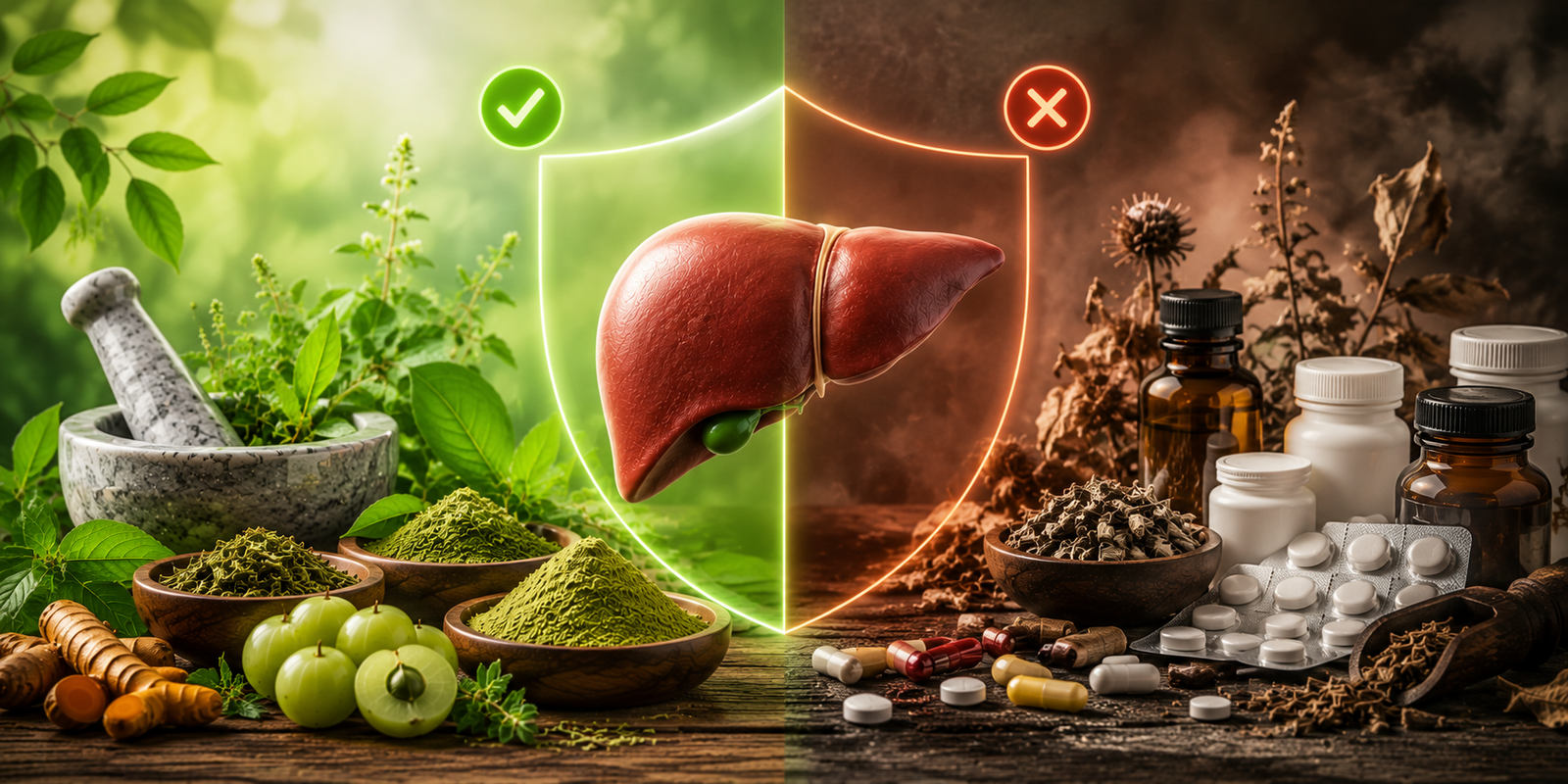
The liver is one of the body’s most important organs, responsible for filtering waste products, metabolizing nutrients, producing bile, storing vitamins, and supporting hundreds of essential biochemical functions. Because of its central role in maintaining health, herbal remedies for liver wellness have gained significant popularity in recent years.
Traditional systems such as Ayurveda and Unani medicine have used medicinal herbs for centuries to support digestion and liver function. At the same time, the growing popularity of herbal supplements has also led to widespread misinformation. Some people believe herbs can “completely detoxify” the liver overnight, while others assume all herbal products are automatically safe because they are natural.
The truth lies somewhere in between. Understanding the facts can help you make informed decisions when considering ayurvedic medicine for liver health or other herbal wellness products.
Why Liver Health Matters
The liver performs more than 500 essential functions, including:
- Filtering waste products from the blood
- Producing bile for digestion
- Processing nutrients
- Supporting metabolism
- Storing vitamins and minerals
- Helping regulate blood sugar
- Producing important proteins
Maintaining liver health requires healthy lifestyle habits, balanced nutrition, and appropriate medical care when necessary.
Myth 1: Herbal Remedies Can Completely “Detox” the Liver
Fact
One of the biggest misconceptions is that herbal products “flush toxins” out of the liver.
In reality, the liver already has its own sophisticated detoxification system. Its job is to process and remove waste products naturally. No herbal supplement can replace these normal physiological processes. Traditional herbal formulations are better viewed as products that may support normal liver function and digestive wellness, rather than perform a dramatic detox.
Myth 2: Natural Means Completely Safe
Fact
Natural does not always mean risk-free.
Many herbal products are well tolerated when used appropriately, but some herbal supplements have been linked to rare cases of liver injury, contamination, or interactions with medications. Safety depends on the quality of the product, the ingredients used, the dosage, and the individual’s health condition.
Always purchase herbal products from reputable manufacturers that follow quality standards and clearly list their ingredients.
Myth 3: Ayurvedic Medicine Has No Scientific Value
Fact
Ayurveda is one of the world’s oldest traditional healthcare systems and continues to be widely practiced. However, the scientific evidence varies depending on the specific herb or formulation.
Some herbs and Ayurvedic approaches have shown promising results in laboratory or early clinical studies, while many others still require larger, well-designed human trials before firm conclusions can be made.
This means Ayurvedic medicine should be approached with both respect for traditional knowledge and an appreciation for evidence-based research.
Myth 4: More Herbal Supplements Mean Better Results
Fact
Taking larger quantities of herbal supplements does not necessarily improve liver health.
Excessive doses may increase the risk of side effects or interactions with prescription medicines. Even herbs traditionally regarded as beneficial should be taken according to the manufacturer’s recommendations or under the guidance of a qualified healthcare professional.
Myth 5: Liver Problems Can Be Solved by Herbs Alone
Fact
Herbal remedies should never replace professional medical care for serious liver diseases.
Conditions such as hepatitis, cirrhosis, liver failure, or advanced fatty liver disease require proper medical diagnosis and treatment. Herbal wellness products may complement a healthy lifestyle, but they are not substitutes for evidence-based medical care.
Traditional Herbs Associated with Liver Wellness
Several herbs have been traditionally used in Ayurveda and Unani medicine to support digestive and liver health.
These include:
- Kalmegh
- Kutki
- Bhumyamalaki
- Amla
- Turmeric
- Giloy
- Kasni (Chicory)
- Neem
These herbs have a long history of traditional use, but their effects can vary depending on the formulation, dosage, individual health status, and product quality. Continued scientific research is helping to better understand their benefits and limitations.
Choosing Quality Herbal Products
If you’re considering ayurvedic medicine for liver health, choosing a reliable manufacturer is one of the most important decisions you can make.
Look for products that provide:
- Transparent ingredient lists
- GMP-certified manufacturing
- Proper labeling
- Batch information
- Recommended dosage
- Customer support
Avoid products that make unrealistic promises such as:
- “Instant liver detox”
- “Guaranteed liver cure”
- “Works overnight”
- “100% cure for fatty liver”
Responsible herbal companies focus on supporting wellness rather than making exaggerated medical claims.
Healthy Habits That Truly Support Liver Health
Scientific evidence consistently shows that lifestyle has a major influence on liver health.
Simple daily habits include:
- Eating a balanced diet rich in fruits and vegetables
- Limiting highly processed foods
- Exercising regularly
- Maintaining a healthy weight
- Sleeping 7–9 hours each night
- Staying hydrated
- Limiting alcohol consumption
- Avoiding unnecessary medications
Herbal wellness products work best when they complement these healthy habits—not replace them.
Explore Herbal Wellness Products
If you’re interested in traditional herbal wellness products developed with quality ingredients, you can explore the collection available at the Shahi Herbal Store:
👉 https://shahiherbal.in/store/
The store offers a range of herbal and Unani wellness products for digestive health, joint care, oral care, immunity, men’s wellness, women’s wellness, and general well-being.
Always read product labels carefully and follow the recommended usage instructions.
Conclusion
Herbal remedies have been part of traditional healthcare systems for centuries and continue to play an important role in supporting overall wellness. However, separating facts from myths is essential for making informed health decisions.
When considering ayurvedic medicine for liver health, remember that herbs are not miracle cures, nor are they automatically risk-free simply because they are natural. The best approach combines high-quality herbal products, healthy lifestyle habits, balanced nutrition, and professional medical guidance when needed.
Choose trusted manufacturers, follow recommended dosages, and rely on credible information rather than marketing claims. By doing so, herbal wellness can become a valuable part of a balanced and responsible approach to long-term liver health.


