
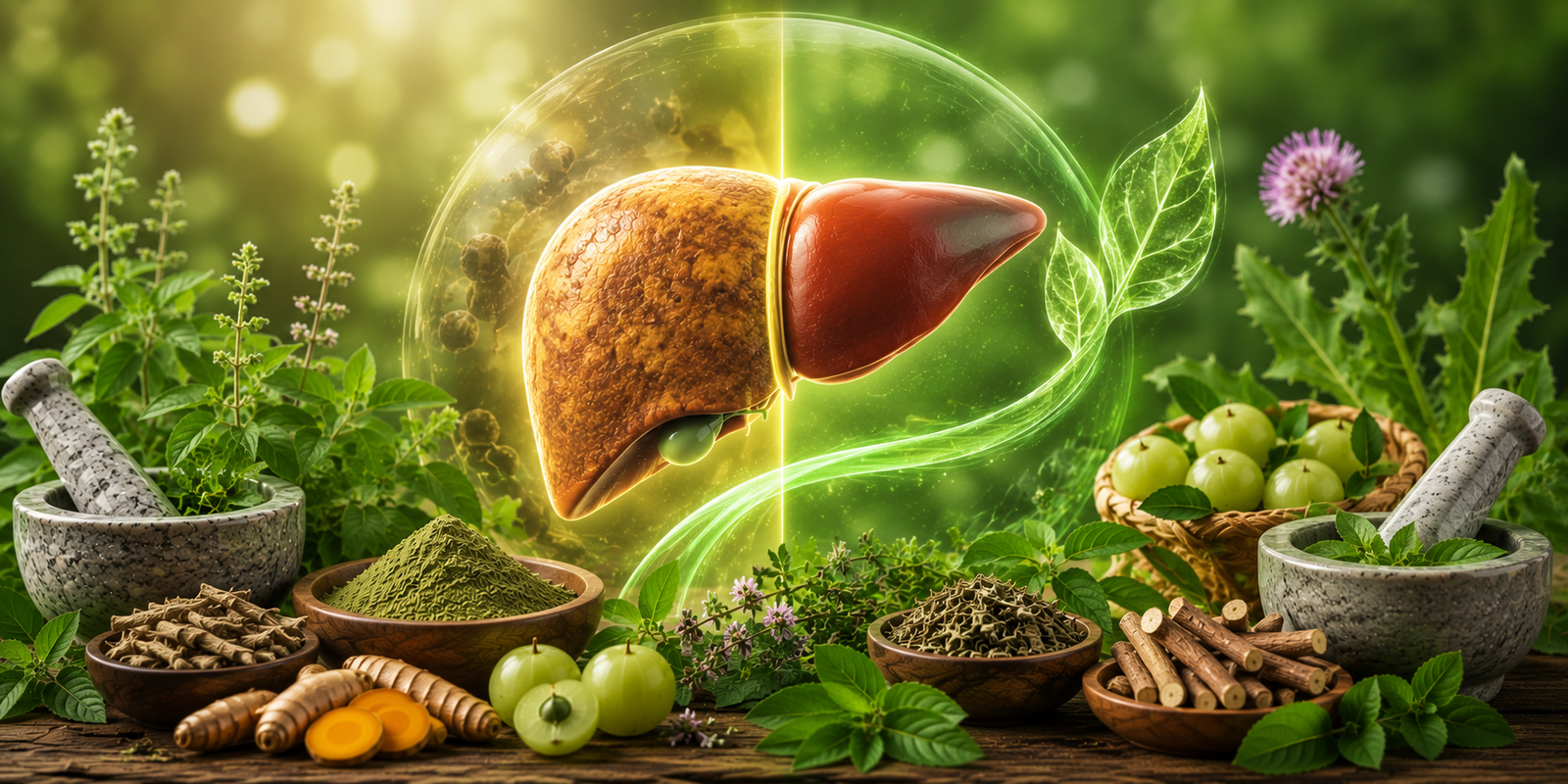
Fatty liver disease has become one of the fastest-growing liver conditions worldwide. Sedentary lifestyles, unhealthy eating habits, obesity, diabetes, and metabolic disorders have contributed to millions of people being diagnosed every year. Since conventional medicine currently has no single medication specifically approved to cure most cases of non-alcoholic fatty liver disease (NAFLD), many people turn to Ayurveda and herbal medicine in search of natural alternatives.
But an important question remains:
Can Ayurvedic medicine cure fatty liver?
The short answer is no—not based on current scientific evidence. However, Ayurvedic medicine may play a supportive role in improving liver health when combined with medically recommended lifestyle changes such as weight loss, regular exercise, and a balanced diet. Current research suggests that some traditional herbs show promise, but more high-quality clinical studies are needed before they can be considered a proven cure.
This article explores what fatty liver disease is, whether there is a genuine fatty liver cure, what scientific research says about Ayurvedic herbs, and how you can naturally support liver health safely.
Understanding Fatty Liver Disease
Fatty liver disease occurs when excess fat accumulates inside liver cells. A healthy liver contains only a small amount of fat, but when fat makes up more than about 5% of the liver’s weight, it is considered fatty liver.
There are two primary types:
Non-Alcoholic Fatty Liver Disease (NAFLD)
NAFLD develops in people who drink little or no alcohol. It is closely associated with:
- Obesity
- Type 2 diabetes
- High cholesterol
- High triglycerides
- High blood pressure
- Insulin resistance
In recent years, experts have increasingly used the term Metabolic Dysfunction-Associated Steatotic Liver Disease (MASLD) to better describe this condition.
Alcohol-Related Fatty Liver Disease
This form results from excessive alcohol consumption.
Fortunately, early-stage alcoholic fatty liver can often improve if alcohol consumption stops completely.
Is Fatty Liver Dangerous?
Many people experience no symptoms during the early stages.
However, if left untreated, fatty liver may progress through several stages:
- Simple fatty liver
- Liver inflammation (steatohepatitis)
- Fibrosis
- Cirrhosis
- Liver failure
Only a small percentage of patients progress to severe disease, but maintaining liver health early significantly reduces future risk.
Common Symptoms
Many individuals have no symptoms at all.
Others may experience:
- Persistent fatigue
- Mild discomfort in the upper right abdomen
- Feeling of fullness
- Weakness
- Unexplained weight changes
Advanced liver disease may present with jaundice, swelling, or other serious symptoms that require immediate medical evaluation.
Why Does Fatty Liver Develop?
Fatty liver is usually the result of multiple factors rather than one single cause.
Major risk factors include:
- Obesity
- High-calorie diets
- Excess sugar intake
- Physical inactivity
- Type 2 diabetes
- High cholesterol
- Metabolic syndrome
- Sleep disorders
- Certain medications
- Alcohol misuse
Genetics can also increase susceptibility.
Can Fatty Liver Be Cured?
This is perhaps the most frequently asked question.
The encouraging news is that early-stage fatty liver is often reversible.
The less encouraging news is that there is currently no single medicine—Ayurvedic, herbal, or pharmaceutical—that has been proven to cure fatty liver by itself.
According to the U.S. National Institute of Diabetes and Digestive and Kidney Diseases (NIDDK), the most effective treatment remains:
- Weight loss
- Healthy diet
- Regular exercise
- Managing diabetes
- Controlling cholesterol
- Reducing alcohol consumption when applicable
Lifestyle modification remains the first-line treatment for most people with fatty liver.
Can Ayurvedic Medicine Cure Fatty Liver?
The answer requires careful distinction.
Traditional Perspective
Ayurveda has used herbs for liver support for thousands of years.
Traditional practitioners often recommend herbal formulations aimed at supporting:
- Digestion
- Liver function
- Metabolism
- Bile secretion
- Overall wellness
Many of these herbs have long histories of safe traditional use.
Scientific Perspective
Modern research has investigated numerous Ayurvedic herbs.
Several studies suggest that some herbs possess:
- Antioxidant activity
- Anti-inflammatory properties
- Hepatoprotective (liver-protective) effects
However, current evidence is not strong enough to conclude that Ayurvedic medicine can cure fatty liver.
Most published studies are:
- Small
- Short-term
- Conducted on animals
- Conducted in laboratory settings
- Limited clinical trials
Researchers generally agree that larger, high-quality human studies are still required.
Therefore, Ayurveda should be considered supportive rather than curative.
Ayurvedic Herbs Commonly Used for Liver Health
1. Kalmegh (Andrographis paniculata)
Kalmegh has long been used in Ayurveda because of its bitter compounds.
Research suggests it may possess:
- Antioxidant activity
- Anti-inflammatory effects
- Liver-protective potential
However, further clinical evidence is required before recommending it as a treatment for fatty liver.
2. Kutki (Picrorhiza kurroa)
Kutki is among Ayurveda’s most respected liver-support herbs.
Traditional uses include:
- Supporting digestion
- Promoting bile secretion
- Supporting liver function
Several laboratory studies suggest promising hepatoprotective properties, although larger clinical trials remain limited.
3. Bhumyamalaki (Phyllanthus niruri)
Traditionally used for liver wellness and digestive support.
Researchers continue studying its effects on liver enzymes and oxidative stress.
Current findings are encouraging but not conclusive.
4. Turmeric (Curcuma longa)
Turmeric contains curcumin.
Curcumin has been widely researched for:
- Antioxidant properties
- Anti-inflammatory effects
Some studies suggest curcumin supplementation may improve certain markers associated with fatty liver disease when combined with lifestyle modification.
5. Amla (Emblica officinalis)
Rich in natural antioxidants and Vitamin C, Amla has traditionally been used to support digestion and general health.
It may help reduce oxidative stress associated with metabolic disorders.
6. Giloy (Tinospora cordifolia)
Giloy has traditionally been valued for supporting immunity and metabolism.
Research continues regarding its role in liver wellness.
What Does Scientific Research Actually Say?
Current evidence indicates:
✔ Some herbal compounds show promising biological activity.
✔ Several herbs may improve liver enzyme levels in certain patients.
✔ Antioxidant effects may reduce oxidative stress.
✔ Some formulations may support metabolic health.
However,
✘ No herb has been conclusively proven to reverse fatty liver independently.
✘ No major international liver society currently recommends Ayurvedic medicine as a standalone treatment for fatty liver.
Experts emphasize integrating herbal products responsibly alongside medical care and lifestyle interventions rather than replacing evidence-based treatment.
Lifestyle Remains the Best Fatty Liver Cure
If someone asks doctors worldwide what provides the greatest improvement in fatty liver, the answer is remarkably consistent.
Lose Excess Weight
Even losing 5–10% of body weight can significantly reduce liver fat in many individuals.
Exercise Regularly
Aim for:
- 150 minutes of moderate exercise weekly
Activities include:
- Walking
- Cycling
- Swimming
- Resistance training
Eat a Liver-Friendly Diet
Focus on:
- Fruits
- Vegetables
- Whole grains
- Lean protein
- Healthy fats
- Nuts
- Seeds
Limit:
- Sugary drinks
- Refined carbohydrates
- Processed foods
- Fried foods
Control Diabetes
Proper blood sugar management is strongly associated with improved liver outcomes.
Improve Cholesterol Levels
Healthy lipid levels reduce metabolic stress on the liver.
Avoid Excess Alcohol
Alcohol significantly increases liver damage, especially in patients already living with fatty liver disease.
Choosing Safe Herbal Products
Not all herbal products are manufactured equally.
When purchasing herbal supplements:
Choose:
- GMP-certified manufacturers
- Transparent ingredient labels
- Clearly listed dosages
- Quality assurance testing
- Trusted brands
Avoid products promising:
- “Guaranteed fatty liver cure”
- “100% liver cleansing”
- “Instant detox”
- “Reverse cirrhosis naturally”
These claims are not supported by scientific evidence.
Herbal Wellness Products from Trusted Sources
If you’re looking for traditional herbal wellness products prepared with quality ingredients and responsible manufacturing practices, you can explore the collection available at:
Shahi Herbal Store
👉 https://shahiherbal.in/store/
The store offers herbal and Unani wellness products for digestive health, immunity, joint care, men’s wellness, women’s wellness, and general well-being. While no product should be viewed as a guaranteed fatty liver cure, quality herbal formulations may complement a healthy lifestyle when used according to the manufacturer’s instructions and under professional guidance.
Frequently Asked Questions
Can fatty liver disappear completely?
Yes. Early-stage fatty liver is often reversible through sustained lifestyle changes, particularly weight loss, improved diet, and regular physical activity.
Is Ayurveda better than modern medicine for fatty liver?
Current scientific evidence does not show that Ayurveda is superior to conventional medical care. Lifestyle modification remains the foundation of treatment, while Ayurvedic herbs may offer supportive benefits.
Which herb is considered best for liver support?
Traditional systems commonly use herbs such as Kalmegh, Kutki, Bhumyamalaki, Turmeric, Amla, Giloy, and Kasni. Research into these herbs is ongoing, and none has been proven to cure fatty liver on its own.
Should I stop my prescribed medicines if I start herbal supplements?
No. Never discontinue prescribed medication without consulting your healthcare provider. Some herbs may also interact with medicines, so professional guidance is important.
Conclusion
The search for a reliable fatty liver cure often leads people toward natural and Ayurvedic remedies. While traditional medicine offers a rich history of herbal liver support, the current scientific evidence does not support the claim that Ayurvedic medicine can cure fatty liver on its own.
Instead, the strongest evidence consistently points to lifestyle changes—maintaining a healthy weight, eating a balanced diet, exercising regularly, managing diabetes and cholesterol, and avoiding excess alcohol—as the most effective ways to reverse early fatty liver and protect long-term liver health.
Ayurvedic herbs such as Kalmegh, Kutki, Turmeric, Amla, Bhumyamalaki, and Giloy may complement these healthy habits by supporting normal liver function and reducing oxidative stress, but they should be viewed as part of a comprehensive wellness strategy rather than a standalone cure.
When choosing herbal supplements, prioritize quality, transparency, and reputable manufacturers, and always discuss their use with a qualified healthcare professional—especially if you have existing liver disease or take prescription medications.
By combining evidence-based medical guidance with responsible use of traditional herbal wellness products, you can take meaningful steps toward improving liver health and reducing the impact of fatty liver disease.


